Food
The 'Kal' in Kalguksu Means a Real Knife: Watching Noodles Being Made at Gwangjang Market
Follow the dough-rolling and knife-slicing process in the Mark Wiens video to learn about the name, noodles, and broth differences of kalguksu.
Selmit · Updated
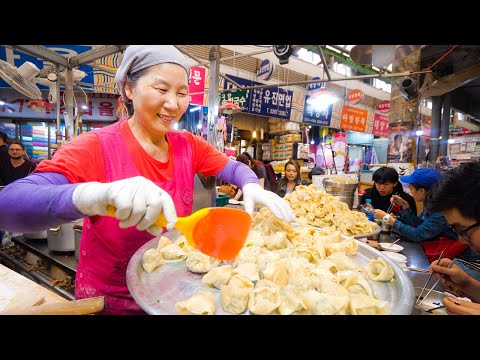 Based on a YouTube videoSource videoMark Wiens · Play from the related sceneWatch video ↗
When you translate the name kalguksu (knife-cut noodles), it usually shortens to something like noodle soup. That causes the dish's most interesting characteristic to disappear. The 'kal' in the name is not a metaphor. It comes from the method of rolling out dough, folding it, and making noodles by slicing them directly with a knife. The Gwangjang Market video shows this process up close to the hands.
1. The Core Scene of Noodles Being Made
The Mark Wiens video features footage of dough being rolled out wide and sliced evenly with a knife. Right next to it, sujebi (hand-pulled dough soup) and dumplings, where dough is torn by hand, are also prepared together. Rather than just looking at the finished bowl, watching the movement of hands conveys why the noodle widths vary slightly and the impromptu nature of market food much better.
2. Kalguksu Is Not Defined by Just One Broth
According to official food guides, kalguksu broth can be made in various ways using chicken, anchovies, or clams, and accompanied by ingredients like potatoes, zucchini, green onions, and seaweed. 'Knife-cut noodles' is the common thread, while the broth and toppings vary by region and shop. Personally, because of these differences, kalguksu is a dish that feels familiar yet offers something new to eat in every travel destination.
3. At the Market, Watch All the Way to the Preparation Station
If possible, rather than only looking at photos of the finished menu, check if the noodle-slicing workspace is visible. Watching the cooking process itself, as seen in the video, becomes part of the dining experience. Since you might end up eating hot broth and long noodles in tight seating, keep your luggage compact, and if you have allergies, be sure to check even the broth ingredients.
Video Viewing Tip
The real star of the kalguksu video is not just the finished bowl, but the hands and knife repeatedly rolling out the dough. If you watch and eat from the moment it is sliced, the texture of a single bowl becomes much more tangible.
Quick Summary
| Perspective | Details to Check |
|---|---|
| Noodles | Wheat flour dough is rolled out and sliced with a knife |
| Broth | Various methods including chicken, anchovies, clams, etc. |
| Toppings | Shop-specific compositions like potatoes, zucchini, green onions, seaweed, etc. |
Verified Official Sources
The verification date for official sources and public videos is September 8, 2026. Please check the latest announcements from the respective location before visiting for operating hours, fees, and event schedules.
