Food
Do Kimchi Mandu Contain Meat? The Trap of Relying Only on Names When Ordering Dumplings
Based on the kimchi and meat mandu scenes from the Gwangjang Market video, this guide explains how to check dumpling fillings and cooking methods before ordering.
Selmit · Updated
 Based on a YouTube videoSource videoMark Wiens · Play from the related sceneWatch video ↗
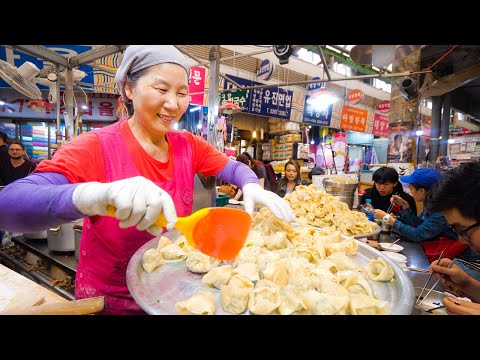
In Mark Wiens's Gwangjang Market video, kimchi mandu and meat mandu appear side by side. Just by looking at the names, one might feel that one is vegetable-based and the other is meat-based. However, the video also includes a moment where he asks again whether kimchi mandu contains meat. This brief question clearly shows that when ordering mandu in Korea, menu names do not tell you every single ingredient.
1. Kimchi Mandu Does Not Mean a Vegetarian Menu
According to official food guides, mandu fillings are described as a combination of various ingredients such as vegetables, glass noodles, tofu, meat, kimchi, and mushrooms. "Kimchi mandu" is closer to meaning that kimchi flavor and ingredients are central, and it is no guarantee that there is no meat. The video creator also checks the ingredients with the vendor. If you have dietary restrictions or allergies, do not guess by the name; you should ask directly.
2. Frying, Steaming, and Adding to Soup Creates Entirely Different Dishes
The exact same mandu reveals the moisture of the wrapper and filling when steamed, while frying adds crispiness to the exterior. Mandutguk (dumpling soup) placed in a clear broth becomes a complete meal when served with garnishes like jidan (thinly fried egg strips). Personally, the fun of mandu lies in how the taste changes when two questions meet: "What is the filling?" and "How was it cooked?"
3. The Most Practical Attitude Learned from the Video
The creator asks questions rather than making assumptions about unfamiliar ingredients. This attitude is also the most useful for travelers. Showing a translated screen listing meat, seafood, eggs, and allergy-inducing ingredients makes it easy to verify even in a noisy market. If complete separate preparation is required, you must also ask separately whether the same cooking utensils are used.
Video Highlights
The single question in the video is more practical than flashy mukbang scenes. Rather than relying solely on menu translations, checking the ingredients allows you to choose foods you can eat more accurately and comfortably.
Quick Summary
| Perspective | What to Check |
|---|---|
| Kimchi Mandu | Kimchi is central, but check with each shop whether meat is included |
| Meat Mandu | Meat is central, but vegetables, tofu, glass noodles, etc., may also be included |
| Mandutguk | A hearty one-bowl dish featuring dumplings in broth and garnishes |
Verified Official Sources
The verification date for official sources and public videos is September 8, 2026. Please check the latest announcements from the respective locations before visiting regarding operating hours, fees, and event schedules.
